Geospatial Data
Geospatial data involves global positioning systems (GPS), geographical information system (GIS), and remote sensing (RS). This technology offers a radically different way in which we produce and use maps required to manage our communities and industries.
Types of geospatial data used in industry applications:
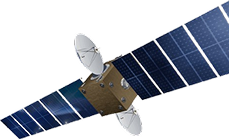
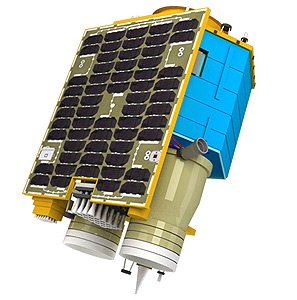
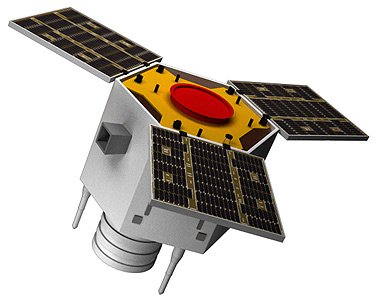
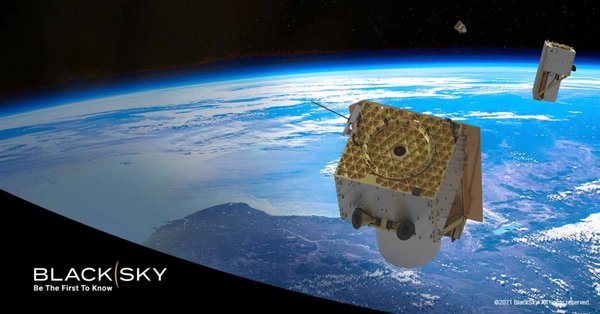
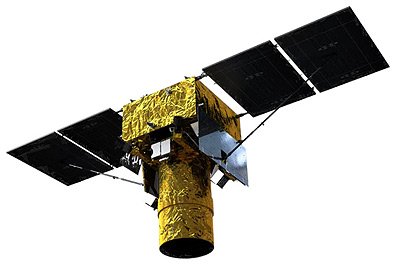
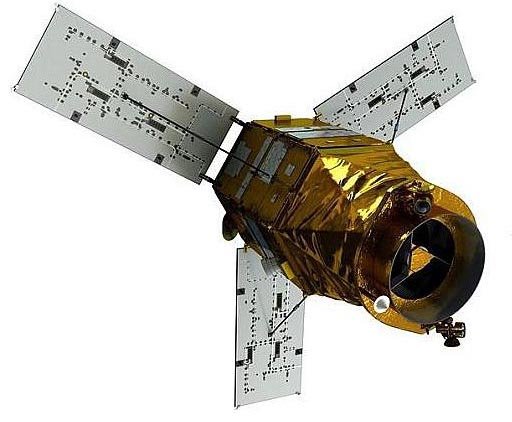
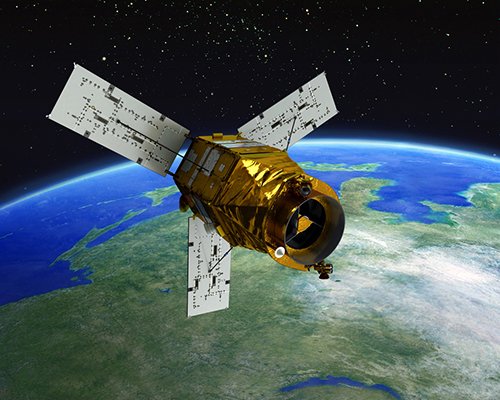
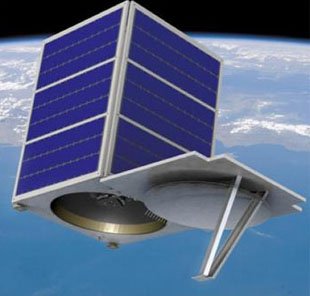
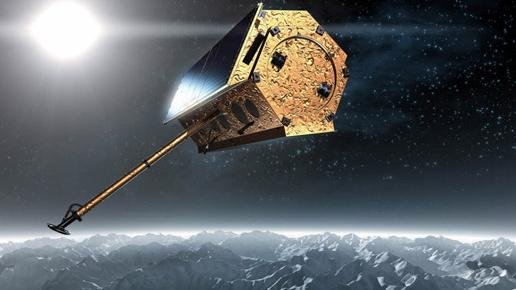
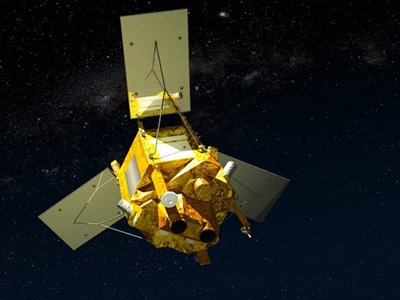
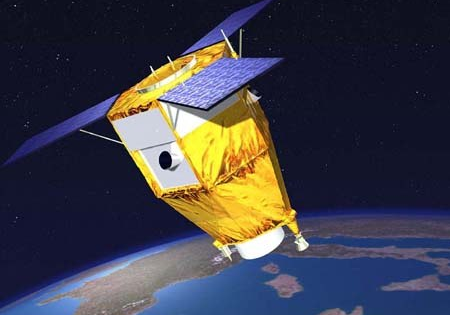
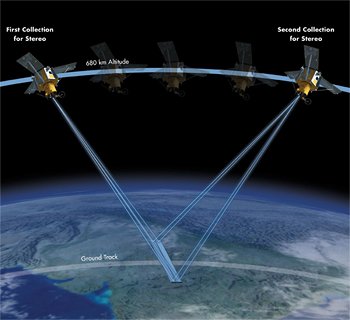
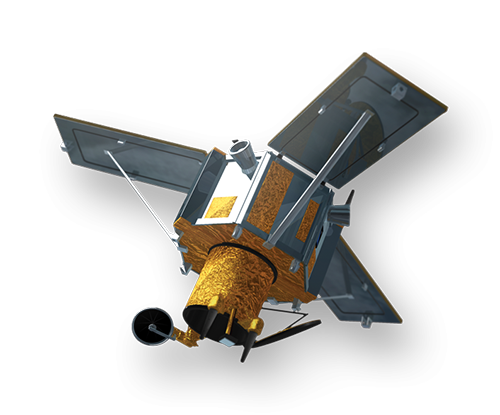
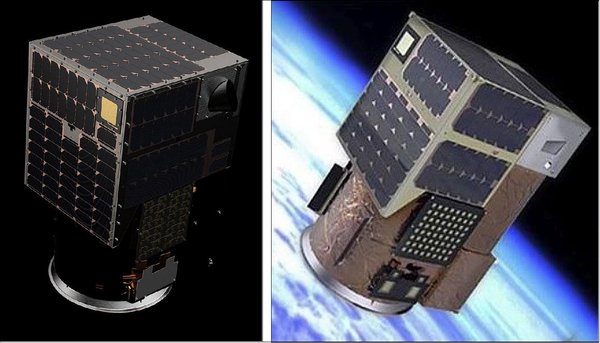
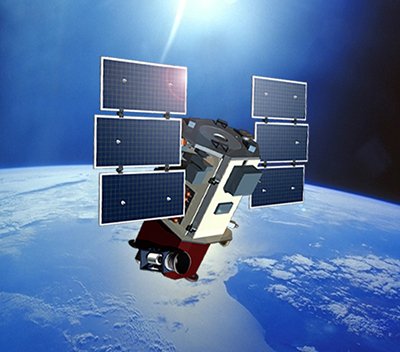
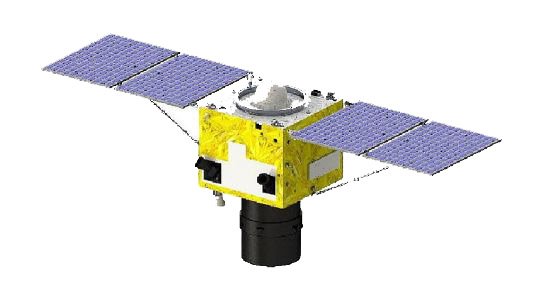
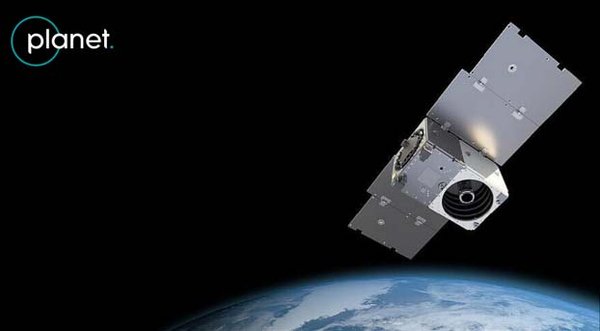
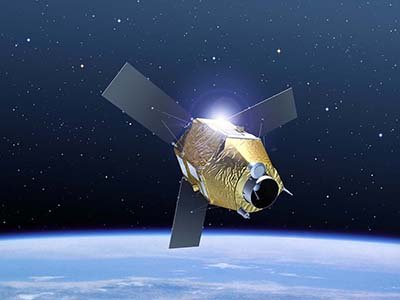
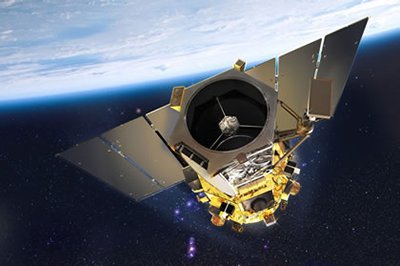
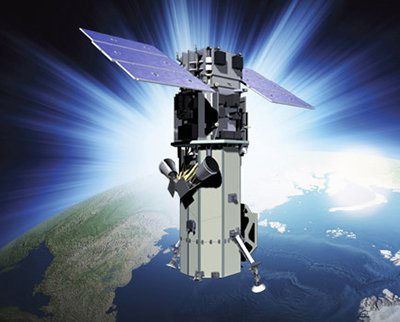
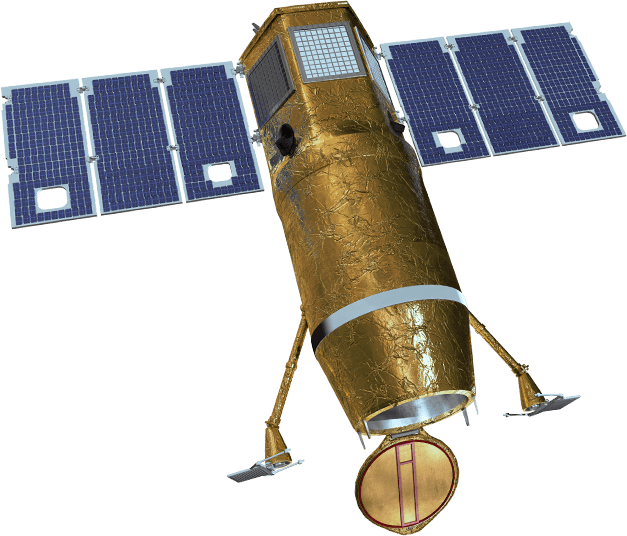
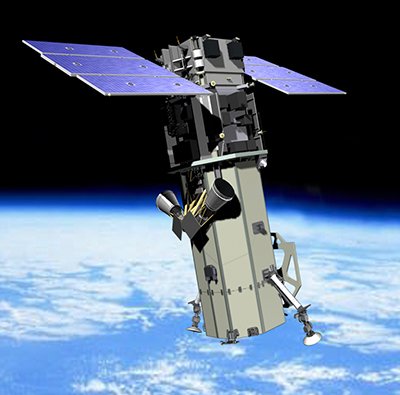
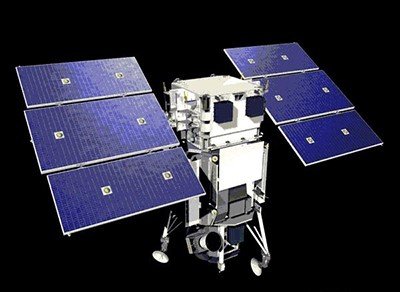
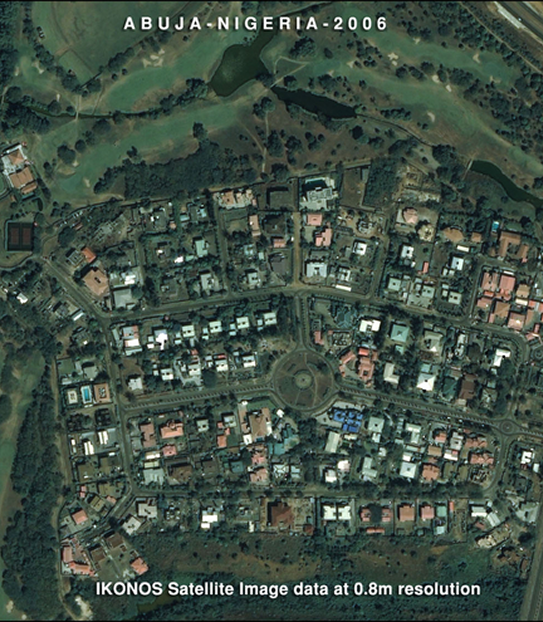
- Remote Sensing: satellite imagery and geospatial data collected from satellite sensors or airborne cameras. Some commercial satellite maps can produce details of 30 centimeters. Satellite maps greatly enhances a GIS mapping project and serves as a source of information and data to support analysis and classification for geospatial assessment and modeling.
- Geographic Information Systems (GIS): mapping tools for analysis of geospatial data which is georeferenced. GIS can be used to support environmental management for natural hazards and disasters, global climate change, natural resources, wildlife conservation, land cover change detection, and many other applications.
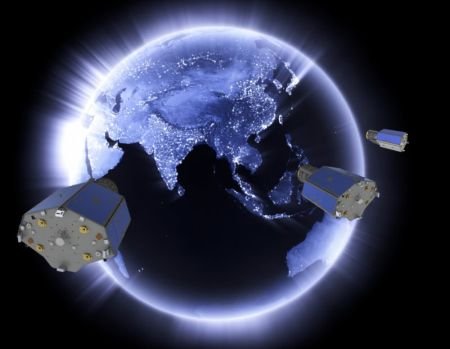
- Global Positioning System (GPS): satellite-based navigation system made up of a network of 24 satellites placed into orbit to collect coordinates locations.
Organizations, agencies, and companies throughout the world are using geospatial data to transform manually to produce maps and associated descriptive records into powerful digital databases. Once a tool that was affordable only to the largest organizations, geospatial systems have become a cost-effective option for even the smallest organizations.
Stellite Imaging Corporation is available for consultation on any of your project needs or specifications. Please contact us for more information.