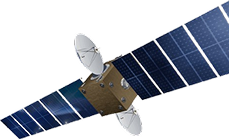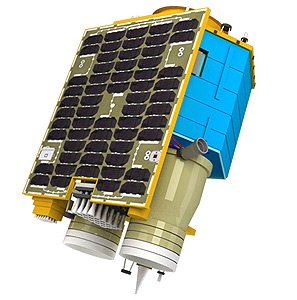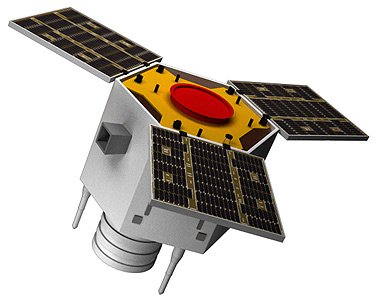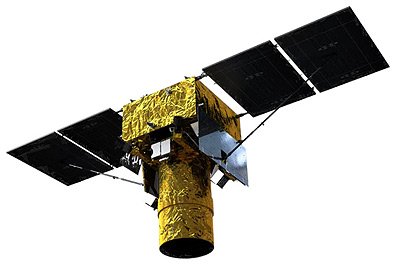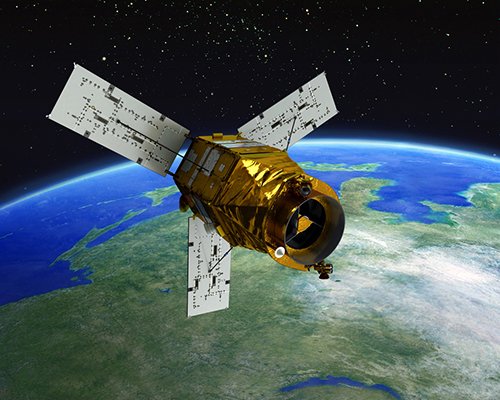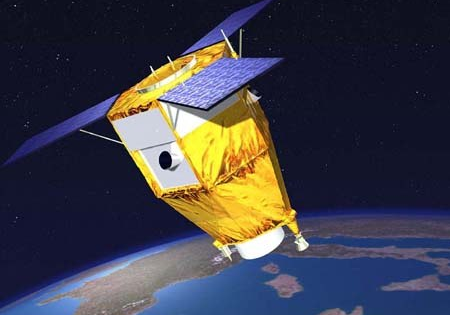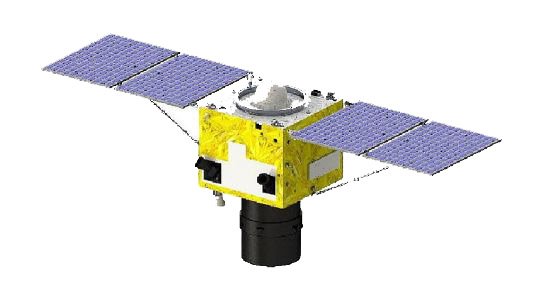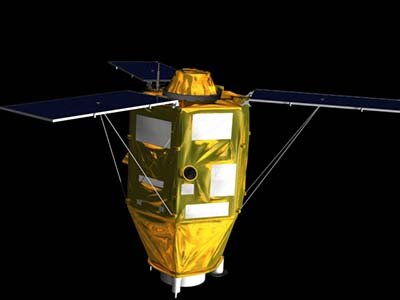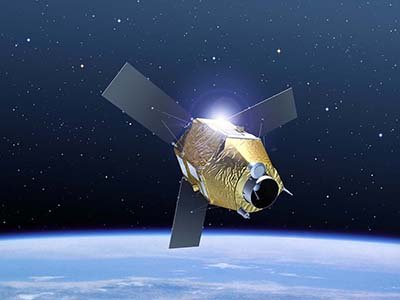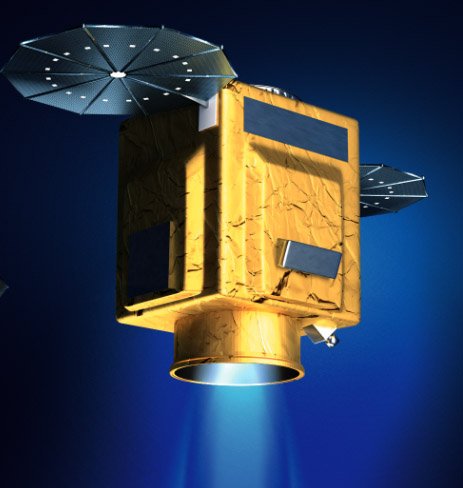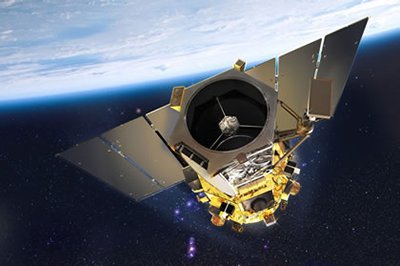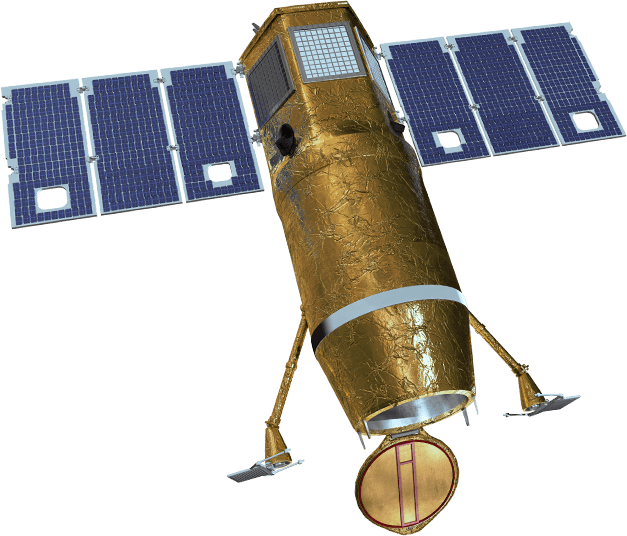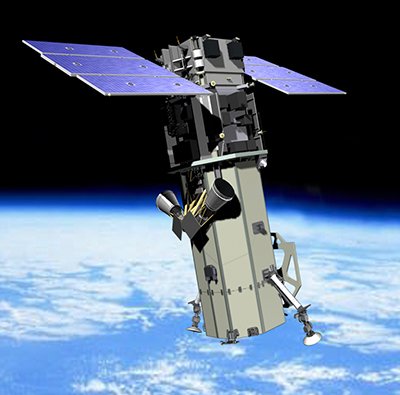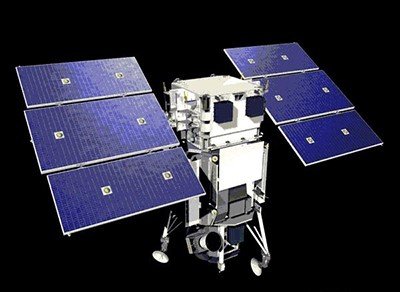
KOMPSAT-3 Satellite Sensor
(0.7m)
KOMPSAT-3 (Arirang-3) spacecraft was successfully launched on May 17, 2012, (16:39 UTC) from the Tanegashima Space Center of JAXA, Japan on the H-IIA launch system. Launch provider: Mitsubishi Heavy Industries, Ltd.
KOMPSAT-3 Satellite Sensor (0.7m)
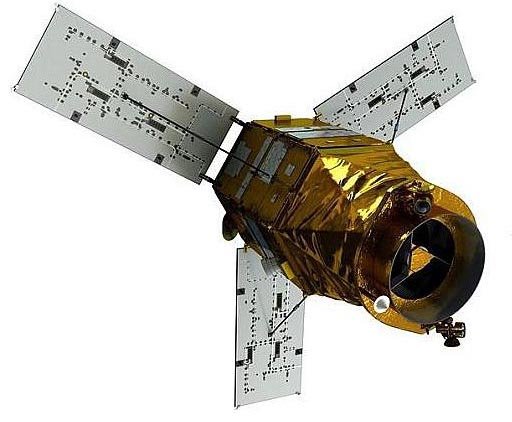
Copyright © Korean Aerospace Research Insitute (KARI). All rights reserved.
KOMPSAT-3 is an optical high-resolution Korean observation mission of KARI (Korea Aerospace Research Institute). The project started in 2004. The objective is to provide observation continuity from the KOMPSAT-1 and KOMPSAT-2 missions to meet the nation’s need for high-resolution optical imagery required for GIS (Geographical Information Systems), and other environmental, agricultural, and global climate change applications.
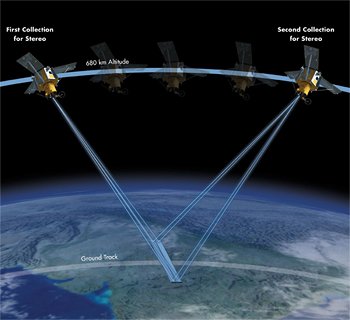
The KOMPSAT-3 is 3-axis stabilized. The agile spacecraft features a body pointing capability of ±45o into any direction (cross-track or along-track). This satellite agility permits event monitoring as well as single-pass stereoscopic observations.
KOMPSAT-3 can provide sub-meter images with various imaging modes. It will continue to provide sub-meter imagery to domestic and international users for the applications of public safety, resource management, environmental monitoring, location-based services, intelligence, and disaster monitoring.
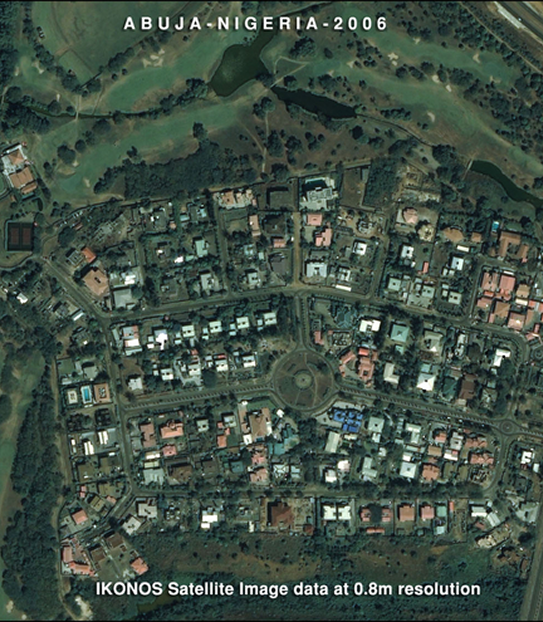
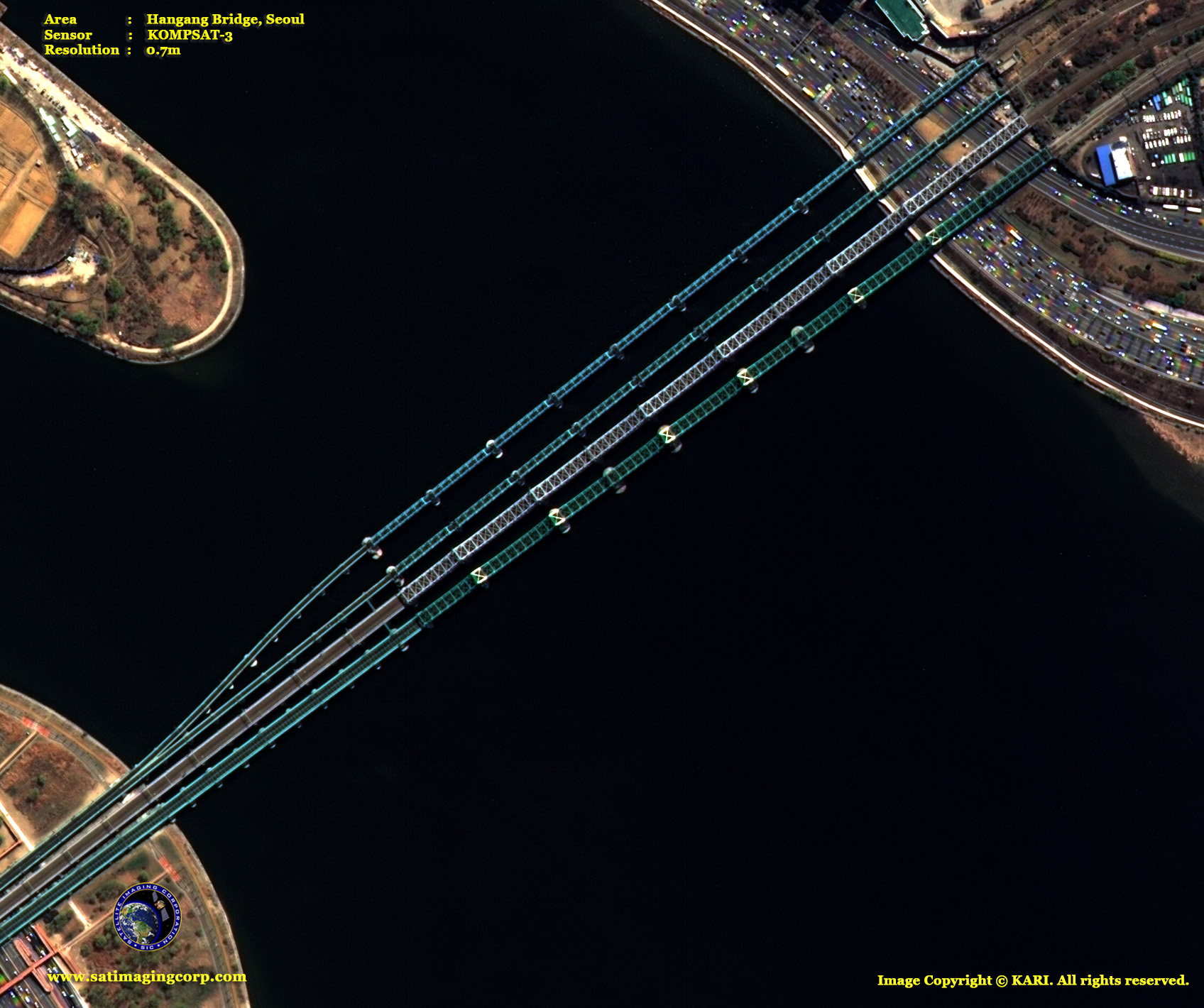
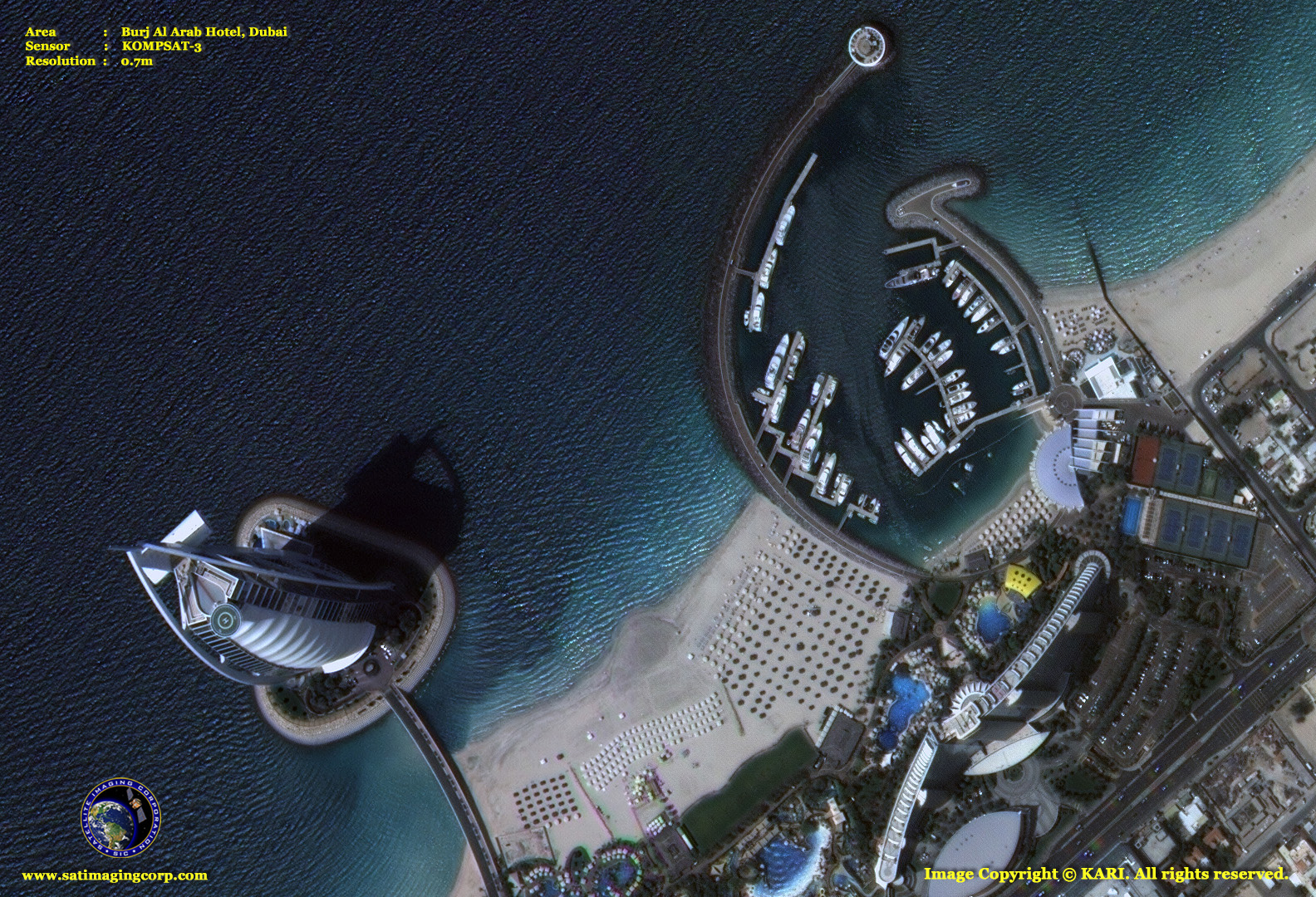
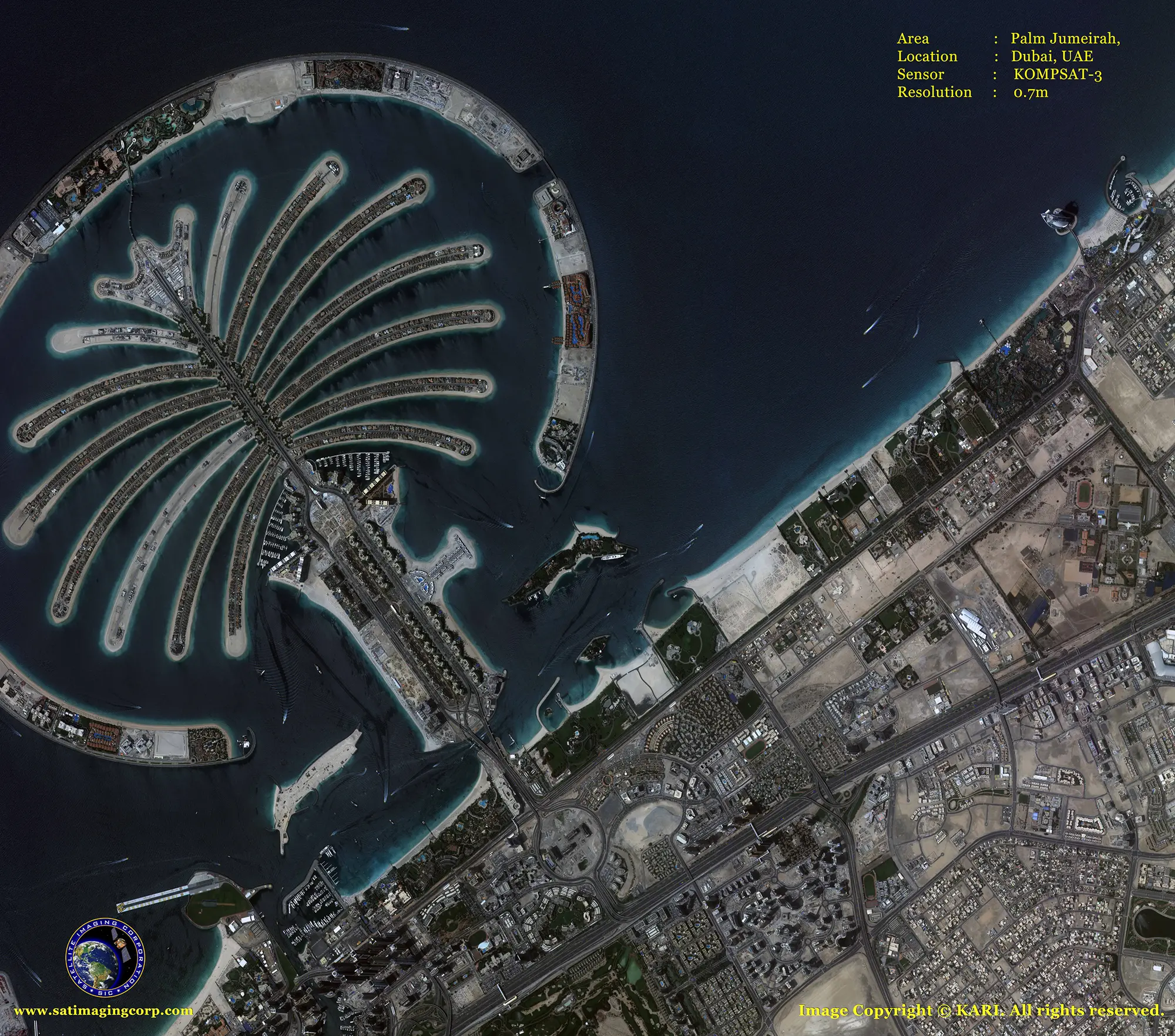
Sample Images
KOMPSAT-3 Satellite Image Gallery
* Click on thumbnail to view in full resolution.
For more information on any of our products and image processing services, please contact us for a complimentary consultation.
KOMPSAT-3 Satellite Sensor Specifications
Spectral bands
Panchromatic: 450-900 nm
Multispectral:
Blue: 450-520 nm
Green: 520-600 nm
Red: 630-690 nm
Near Infrared: 760-900 nm
Optics
– Korsch-type telescope design on a CFRP optical bench
– 80 cm diameter of primary mirror aperture (the mirror is lightweighted)
– All mirrors (5) are of Zerodur design
– Focal length = 8.6 m
– F number = f/12
GSD (Ground Sample Distance)
– 0.7 m for Panchromatic band at nadir
– 2.8 m for Multispectral bands at nadir
Swath width
15 km (at nadir)
Tilt angle
Roll: ±45o, pitch: ±30o
Location accuracy
< 48.5 m CE90
Pan CCD detector module
– Line array of 24,000 pixels consisting of 2 stacks of 12 k pixels each
– TDI (Time Delay Integration), up to 64 TDI in 4 stages
– Pixel pitch = 8.75 µm
– Source data rate = 16 x 15 Mpixel/s (or 3.84 Gbit/s)
MS CCD detector module
– Line array of 6,000 pixels, provision of 8 stacks, TDI capability
– Pixel pitch = 2 x 17.5 µm
– Binning of MS pixels (MS pixels are 4 times longer than Pan pixels)
– Source data rate = 4 x 240 Mbit/s
Antiblooming
Yes
PRNU (Photo Response Non-Uniformity)
Yes
DSNU (Dark Signal Non-Uniformity)
Yes
SNR (Signal-to-Noise Ratio)
> 100 for Panchromatic and Multispectral
Data quantization
14 bit
Data compression
CCSDS 120.1-G-1E
Payload data memory
512 Gbit
Data rate
1 GB/s