Stories On The Ground

African Community Stories That Show What Change Can Look Like
Real lives. Real progress. Real hope.
Behind every movement are people with names, families, challenges, and dreams. AAM shares African community stories to show how mindset renewal, education, and practical opportunity can help people build stronger lives.
Across many communities, poverty is not only about income. It can affect confidence, education, health, family stability, and the choices people feel able to make.
That is why our work starts with people. We support local confidence, shared action, and practical tools that help communities move toward self-reliance.
Why Grassroots Empowerment in Africa Matters
Many rural communities face daily barriers that make progress difficult. Limited access to education, jobs, capital, training, and markets can keep families trapped in survival mode.
AAM believes grassroots empowerment in Africa must address both mindset and opportunity. People need confidence in their ability to grow, but they also need practical pathways to income, learning, and local enterprise.
When communities receive the right support, they can begin to replace dependency with self-belief, planning, and shared progress.
Mindset Barriers
Self-doubt can limit action, ambition, and long-term planning.
Limited Opportunity
Many families lack access to steady work, resources, and markets.
Education Gaps
Without learning and training, progress gets harder to sustain.

Economic Empowerment in Africa Starts With Practical Tools
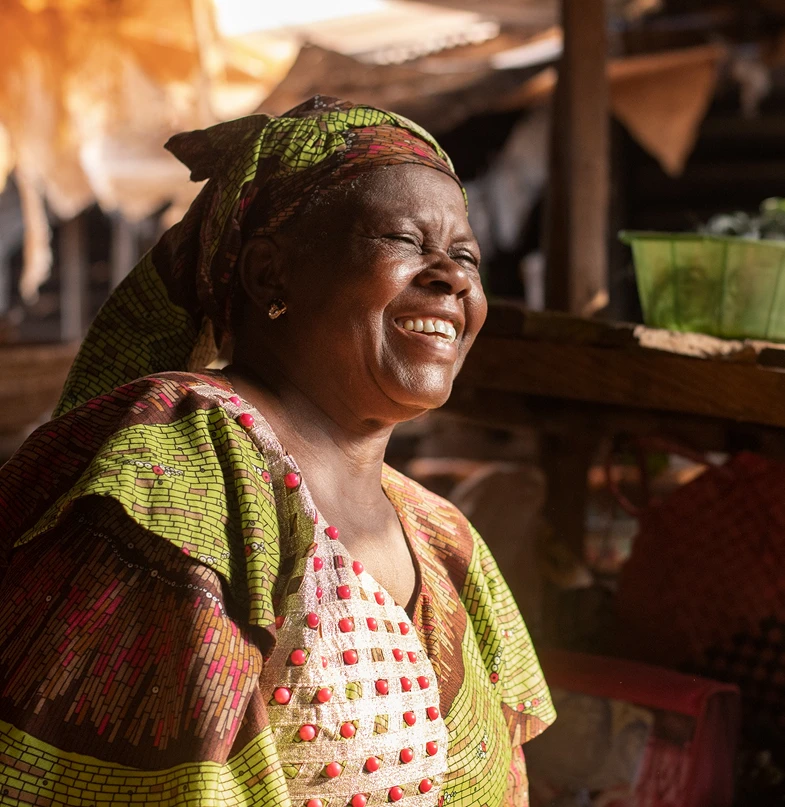
Economic empowerment in Africa requires more than encouragement. People need systems that reduce risk, build skills, and support daily progress.
AAM works to connect mindset renewal with practical tools such as education, micro-finance, micro-franchising, mentoring, and community engagement. This approach helps people gain confidence while taking real steps toward income and independence.
For many families, a small opportunity can create a major shift. A reliable business model, access to basic capital, or training in simple business habits can help someone earn more, support their children, and contribute to the wider community.
This is how local change becomes visible. It starts with one person, one family, and one community choosing a stronger path.
Meet Fati John
A Story of Women Empowerment in Africa
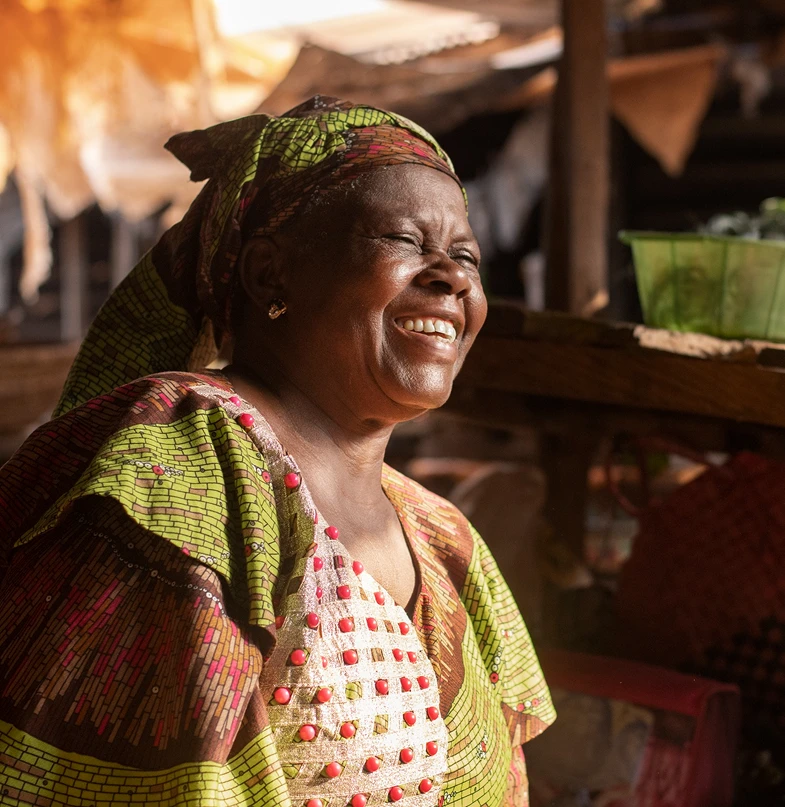
Fati John’s story shows how opportunity can change the direction of a life.
When AAM first met Fati, she was earning less than £2 a day. She was caring for four children, working long hours, and facing the daily pressure of providing for her family with very limited income. Her children were unable to attend school, and she also wanted the chance to continue learning herself.
Through a micro-franchise opportunity, Fati gained access to a more structured way to earn. Instead of carrying the full burden of starting a business alone, she was able to sell products in rural villages with support, guidance, and a clearer path forward.
Her income grew to over £20 a day. With that increase, she could begin investing in her own education, including learning English. She also gained the ability to support her children’s schooling, giving them access to opportunities that once felt out of reach.
Her workdays, though still demanding, became more manageable. The shift from 16 hours to 12 hours of work gave her more space, more confidence, and a stronger sense of control over her future.
Fati’s story reflects the power of women empowerment in Africa when mindset, opportunity, and practical support come together. Her progress is not only personal. It affects her children, her household, and the people around her.

One Story, Wider Community Impact in Africa
A single opportunity can reach far beyond one person. Fati’s progress shows how community impact in Africa can begin with practical support and grow through families, education, and local enterprise.
Income Growth
From survival earnings to a higher daily income
Education Access
More support for learning and personal growth
Family Stability
A stronger path for her children’s future
Self-Reliance
Greater confidence, purpose, and control
Rural Entrepreneurship in Africa Needs Lower-Risk Pathways
Rural entrepreneurship in Africa can open doors for families, but starting a business without support can be risky. Many people are asked to enter the market with little training, limited capital, no tested model, and few safety nets.
AAM believes people should not have to carry that burden alone.
Micro-franchising can offer a more practical path. It gives participants a business model they can follow, with guidance, training, and support built in. Instead of guessing how to sell, price, manage, and grow, participants can work within a system designed to reduce risk and support steady progress.
This type of approach can help people gain experience, earn income, and build confidence over time. It also helps communities create local enterprises that can be repeated, improved, and shared.
When rural entrepreneurship becomes more structured and supported, it can become a real pathway to dignity and self-reliance.
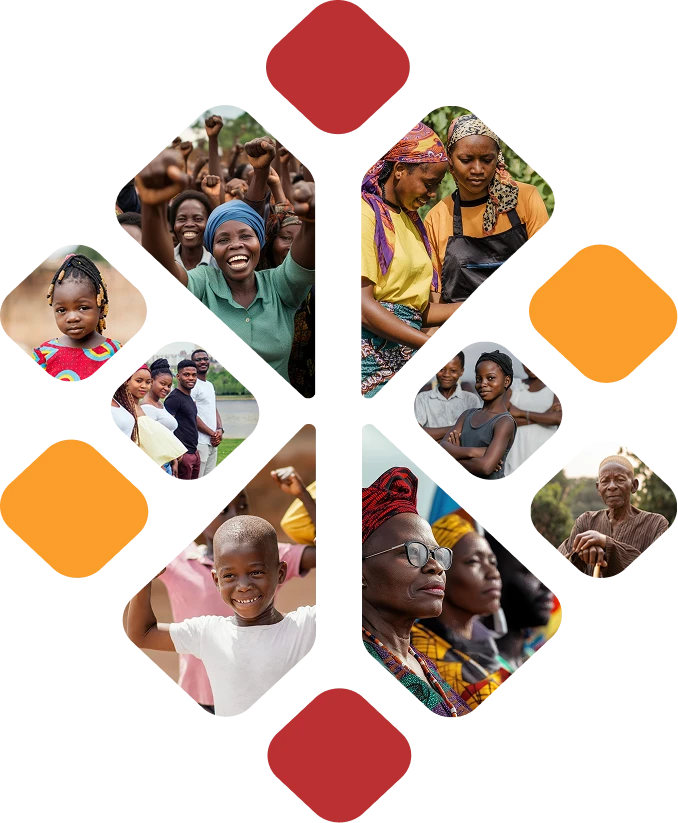
Building More Poverty Reduction Success Stories
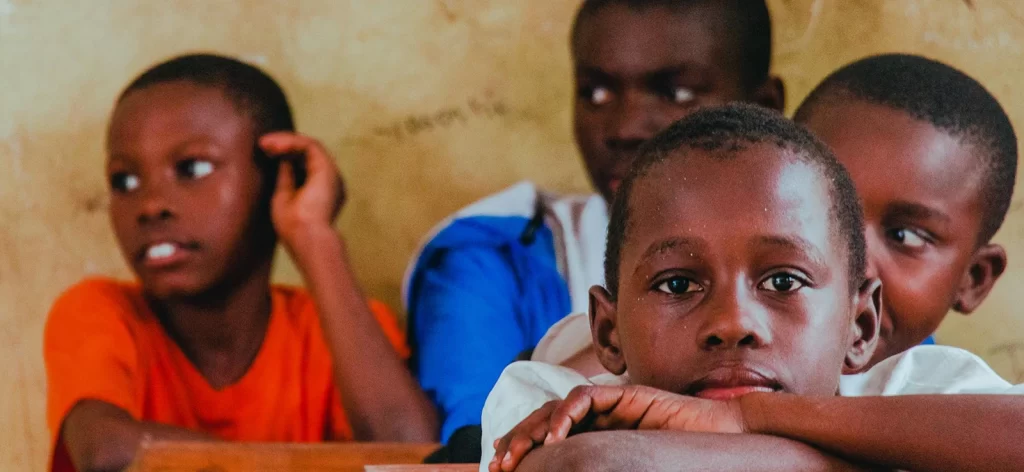
AAM wants to help create more poverty reduction success stories across African communities. Each story begins with a person who gains confidence, learns new skills, and receives a practical opportunity to move forward.
The goal is not short-term relief alone. The goal is lasting change that helps people earn, learn, lead, and support their families with dignity.
By combining mindset renewal, education, micro-finance, micro-franchising, and community action, AAM works to help more people move from survival to self-reliance.
Every story matters. Every family matters. Every community has potential waiting to be supported.
Help Write the Next Story
Support grassroots action, education, and economic opportunity.
Your support can help more people like Fati access learning, build income, and gain confidence in their own future.
Stand with AAM as we support African communities through practical opportunity, self-belief, and local action.